
HDPE- The BEST of the BEST
High-Density Polyethylene (HDPE) Pellets: Strength and Versatility Combined
High-Density Polyethylene (HDPE) pellets are premium thermoplastic materials renowned for their exceptional strength, rigidity, and chemical resistance. These uniform, high-performance pellets serve as a foundation for producing durable and versatile products across various industries.
HDPE pellets are ideal for creating items like rigid containers, pipes, plastic bottles, and geomembranes. Their high melting point and impact resistance make them suitable for applications requiring robust mechanical properties and resilience under stress. As a recyclable material, HDPE pellets contribute to sustainable practices, enabling eco-friendly manufacturing and reducing environmental footprints.
Price Comparison
| Weight | HDPE | LDPE (SMOKEY) | LDPE(BLACK) | PP | PET |
|---|---|---|---|---|---|
| 10 Tons< | R1 | R154675.00 | R132250.00 | R1 | R1 |
| 15 Tons< | R1 | R232012.50 | R198375.00 | R1 | R1 |
| 20 Tons< | R1 | R309350.00 | R264500.00 | R1 | R1 |
| 25 Tons< | R1 | R386687.50 | R330625.00 | R1 | R1 |
| 30 Tons< | R1 | R464025.00 | R396750.00 | R1 | R1 |
A BIT OF A DESCRIPTION ON High-Density Polyethylene
It is a type of plastic polymer known for its high density, rigidity, and strength. It is composed of long, linear chains of polyethylene, giving it a tough and durable structure. Its widespread applications include containers, piping, and industrial products due to its chemical resistance, non-toxic nature, and recyclability.
Texture
The texture of High-Density Polyethylene- is firm, rigid, and slightly slippery to the touch. These characteristics make it ideal for manufacturing robust containers, sturdy pipes, and durable industrial products. Its surface properties provide excellent impact resistance and strength, ensuring long-lasting performance while maintaining a lightweight, practical structure. For more details on HDPE properties and applications, visit this resource.
Colours
HDPE is available in a wide variety of colors. Natural High-Density Polyethylene has a translucent or slightly opaque appearance but can be customized with pigments to produce vibrant, opaque, or pastel shades, depending on the application. These color options make it suitable for both functional and decorative uses across various industries. Discover more about plastic color customization here.
Products
A broad range of products, including:
- Packaging: Bottles, containers, and food packaging.
- Household Goods: Trash bins, storage containers, and plastic furniture.
- Industrial Materials: Piping, construction materials, and safety barriers.
- Medical Supplies: Medical containers, crutches, and diagnostic equipment.
Its strength, durability, and resistance to chemicals ensure its widespread use in both consumer and industrial sectors.
Warranty
Manufacturers often provide warranties to ensure the material meets industry standards. These guarantees typically cover factors like product durability, consistent performance, and compliance with safety regulations. Choosing a reputable supplier with clear warranty terms ensures reliable and high-quality materials for production, making HDPE a trusted choice for various applications.
Directions for Usage
To maximize the benefits of HDPE, follow these guidelines:
- Storage: Store in a cool, dry place to prevent contamination and degradation from UV exposure.
- Processing: Use equipment preheated to the appropriate temperature for melting and molding (typically 120–130°C for extrusion and molding applications).
- Handling: Always wear protective equipment to avoid skin contact or inhalation of fumes during processing.
- Recycling: Dispose of or recycle High-Density Polyethylene products according to local recycling guidelines to support sustainability efforts.
Explore tips for recycling High-Density Polyethylene here.

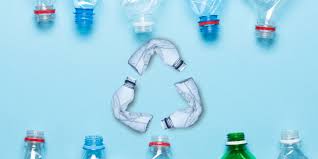
Interesting Facts About HDPE (High-Density Polyethylene)
- Durable and Strong HDPE is widely recognized for its exceptional durability and strength, making it a highly versatile material. It is used in a variety of demanding applications, including heavy-duty containers, industrial pipes, and construction materials. Its robustness allows it to withstand physical stress, wear, and environmental factors, ensuring long-lasting use in products such as chemical containers, storage tanks, and water pipes. Learn more about HDPE
- Recyclable One of the key benefits of HDPE is that it is widely recycled. This plastic can be reused and repurposed to create a variety of products, including new plastic bottles, playground equipment, and recycling bins. It can be recycled repeatedly without losing its strength or quality, contributing to a more sustainable environment. HDPE products can also be melted down and reformed into products like plastic lumber, used for building fences, park benches, and outdoor furniture. Recycling Facts
- Resistant to Chemicals HDPE has a natural resistance to a wide range of chemicals, including acids, bases, and solvents, making it ideal for use in industries like pharmaceuticals and chemical manufacturing. It can safely contain or transport hazardous materials without degrading, ensuring safety in both commercial and industrial settings. This chemical resistance also extends to environmental factors, as HDPE can resist damage from oils, fuels, and other harsh substances. HDPE Chemical Resistance
- Commonly Used in Products HDPE is widely used in everyday items, including plastic bottles, milk jugs, and containers for household products. It is also found in cutting boards, toys, recycling bins, and clothing items like thermal vests. Its food-grade quality and resistance to contamination make it a safe material for packaging food and beverages. Common HDPE Uses
- Weather and UV Resistant HDPE has excellent resistance to weathering and UV rays, making it ideal for outdoor applications such as playground equipment, furniture, and pipes. This ability ensures that products exposed to the elements will retain their structural integrity and aesthetic appeal even after years of use. The UV-resistant properties also help prevent the material from becoming brittle, cracking, or degrading when exposed to sunlight for extended periods. HDPE Outdoor Uses
- Used in Recycling Bins Due to its strength and long-lasting nature, HDPE is commonly used to make recycling bins and containers. This application helps promote a circular economy by allowing HDPE to be reused and repurposed into new products. Recycling bins made from HDPE are durable, can withstand wear and tear, and are resistant to the elements, making them ideal for both residential and commercial use. Recycling with HDPE
THE KEY PROPERTIES
| Property | Explanaition |
|---|---|
|
Density |
High density (0.94–0.97 g/cm³), more rigid and durable than LDPE. |
|
Flexibility |
Less flexible compared to LDPE; more rigid and stiff. |
|
Chemical Resistance |
Excellent resistance to most acids, bases, and chemicals, making it ideal for harsh environments. |
|
Electrical Insulation |
Good electrical insulating properties, often used in electrical components and cable insulation. |
|
High Melting Point |
Melts at 120–130°C, allowing it to withstand higher temperatures than LDPE. |
|
Transperancy |
Opaque by default but can be customized with colors or additives. |
|
Water Resistance |
Impermeable to water and moisture, ideal for containers and pipes. |
|
Tensile Strength |
Higher tensile strength compared to LDPE, offering greater resistance to wear and tear. |
|
Thermal Stability |
More heat resistant than LDPE, maintaining its shape and structure in higher temperatures. |
|
Environmental Impact |
Recyclable with a higher recycling rate than LDPE; commonly used in durable products such as bottles, pipes, and containers. |

RENEW
ECO FRIENDLY IS OUR STATEMENT

REUSE
OUR GOAL

RECYCLE
OUR MISSION