The Complete Guide to PP Recycling: Everything You Need to Know
Polypropylene (PP) is one of the most versatile and widely used plastics globally. With growing concerns about plastic waste, PP recycling has become an essential part of waste management and sustainability efforts. This guide dives into the world of PP recycling, covering its uses, benefits, challenges, and more to help you understand its importance.
What is Polypropylene (PP)?
Polypropylene (PP) is a thermoplastic polymer known for its durability, chemical resistance, and versatility. It is commonly used in:
Packaging (food containers, bottle caps)
Automotive parts (bumpers, dashboards)
Medical equipment (syringes, pill bottles)
Household items (storage bins, chairs)
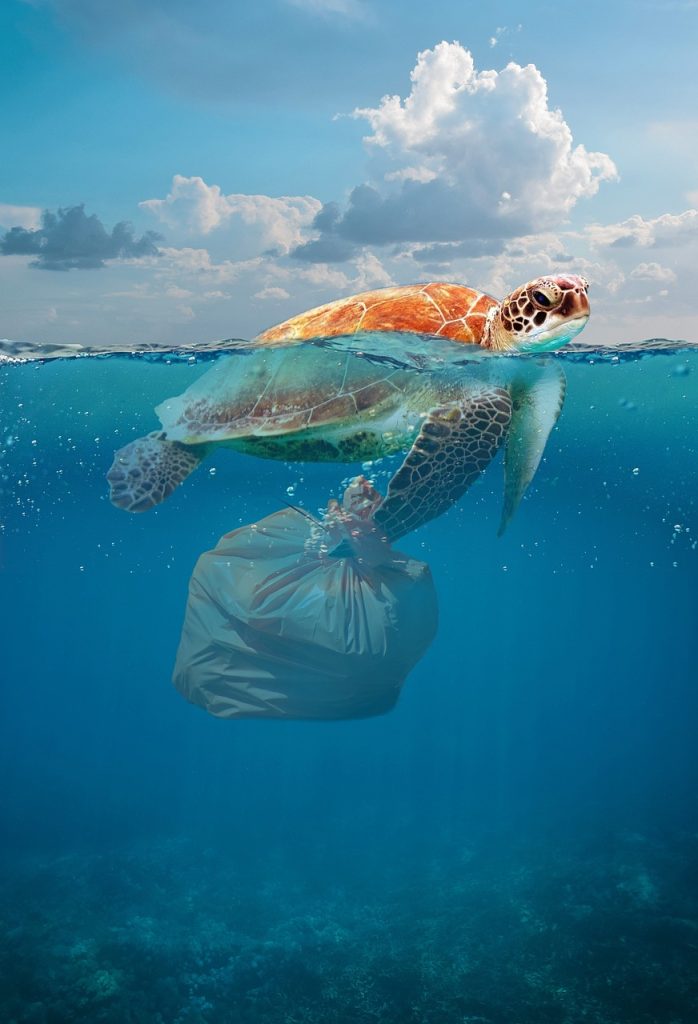
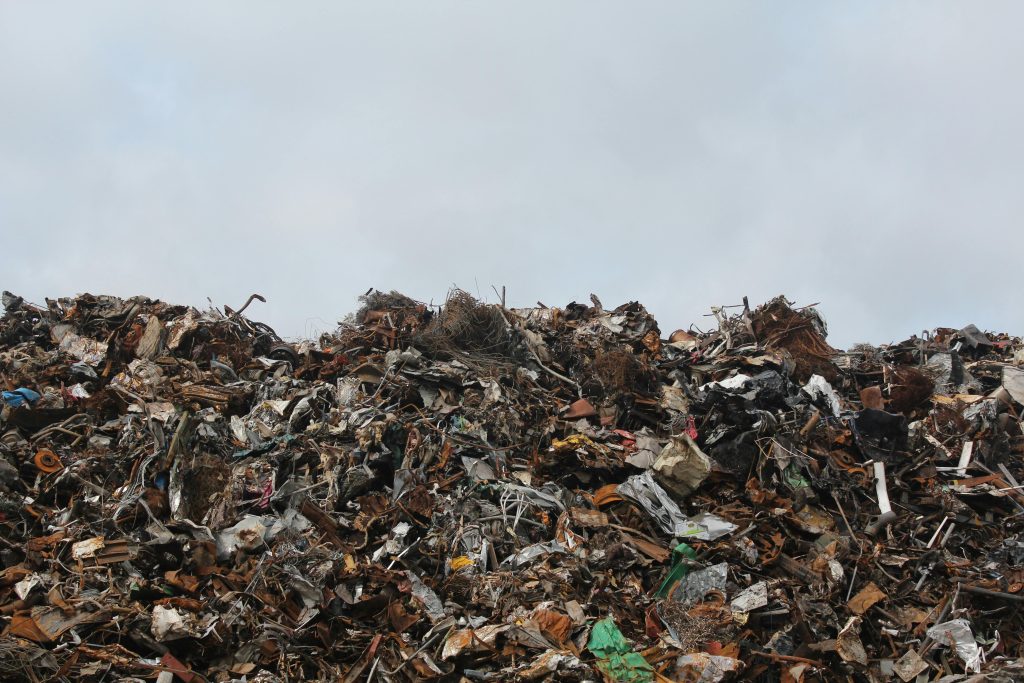
Why is PP Recycling Important?
Recycling polypropylene is crucial for reducing plastic waste and conserving resources. Key benefits include:
- Reducing Landfill Waste: Diverts PP products from landfills, minimizing environmental pollution.
- Conserving Resources: Reduces the need for virgin plastic production, saving energy and raw materials.
- Sustainability: Encourages a circular economy by giving PP a new life through recycling.
How is PP Recycled?
The PP recycling process consists of the following steps:
- Collection: PP waste is collected through curbside programs, industrial sources, and dedicated recycling initiatives.
- Sorting: Materials are separated from other plastics using infrared or density-based sorting techniques.
- Cleaning: PP is washed to remove contaminants like food residue, adhesives, and labels.
- Shredding: Clean PP is shredded into small pieces or flakes.
- Reprocessing: The flakes are melted and re-extruded into pellets, which are used to manufacture new PP products.
Technical Specifications of PP
Material Properties
| Property | Details |
|---|---|
| Density | 0.90–0.92 g/cm³ |
| Melting Point | 130–171°C |
| Tensile Strength | 25–40 MPa |
| Chemical Resistance | Excellent (resistant to acids and bases) |
| Flexibility | High |
| Recyclability Code | SPI Code 5 |
Applications of Recycled PP
Recycled PP can be used in a variety of industries, including:
Packaging: New containers, trays, and caps.
Automotive: Dashboards, bumpers, and battery cases.
Construction: Pipes, insulation materials, and plastic panels.
Household Products: Furniture, carpets, and storage bins.
Industrial Uses: Ropes, crates, and plant pots.
Benefits of Recycling PP
-
Recycling polypropylene offers multiple advantages:
-
Environmental Benefits:
- Reduces pollution and plastic waste in landfills and waterways.
- Saves energy compared to producing virgin polypropylene.
- Cuts down greenhouse gas emissions.
-
Economic Benefits:
- Lowers the cost of manufacturing with recycled materials.
- Creates jobs in recycling and product manufacturing industries.
-
Social Benefits:
- Encourages eco-friendly practices and consumer awareness.
- Promotes corporate responsibility in industries that use PP.
-
Challenges in PP Recycling
Despite its benefits, PP recycling faces a few challenges:
- Contamination: Food residue, labels, and other impurities can reduce the quality of recycled PP.
- Low Recycling Rates: Many regions lack adequate infrastructure for PP recycling.
- Market Demand: Limited demand for recycled PP in some industries reduces its value.
Innovations in PP Recycling
Technological advancements are improving the efficiency and scope of PP recycling:
- Advanced Sorting Systems: AI-powered machines for better separation of PP from other materials.
- Chemical Recycling: Breaks down PP into its molecular components, allowing high-quality recycling.
- Closed-Loop Systems: Developments in systems where recycled PP is used to create the same products, maintaining quality and consistency.
FAQs About PP Recycling
Q1. Can all PP be recycled?
Most PP products are recyclable, but some may not be due to contamination or multi-material construction.
Q2. How do I identify recyclable PP items?
Look for the SPI Code “5” on the product. This indicates it is made from polypropylene.
Q3. Is recycled PP as strong as virgin PP?
Recycled PP can retain most of its strength and properties, especially when mixed with virgin material or additives.
Q4. What happens if PP isn’t recycled?
Unrecycled PP typically ends up in landfills or as litter, contributing to environmental problems like soil and water pollution.
Q5. How can I recycle PP effectively?
- Clean PP items thoroughly before recycling.
- Separate PP from other plastics or materials to avoid contamination.
- Support local recycling programs and educate others on the importance of PP recycling.
How to Promote PP Recycling
To increase PP recycling rates, both individuals and organizations can take proactive steps:
- Educate and Inform: Spread awareness about the recyclability and benefits of PP.
- Support Recycling Programs: Participate in or advocate for better collection and recycling initiatives.
- Choose Recycled Products: Purchase items made from recycled PP to encourage market demand.
- Push for Policy Changes: Advocate for policies that support recycling infrastructure and innovation.
Talk to us
Have any questions? We are always open to talk about your business, new projects, creative opportunities and how we can help you.
PET recycling is a vital process in reducing plastic waste, conserving resources, and promoting a sustainable future. By understanding how PET is recycled, its benefits, and the challenges it faces, we can all contribute to reducing plastic pollution.
Recycling PET not only saves energy and reduces carbon emissions but also helps create a circular economy where materials are reused, creating a cleaner, greener planet for future generations. Let’s all do our part and ensure that PET products are recycled and reused to their full potential!
To learn more about the PET recycling process and its impact, visit PET Recycling Explained.